Riverside Library
Lyon, France
Public Building
2016
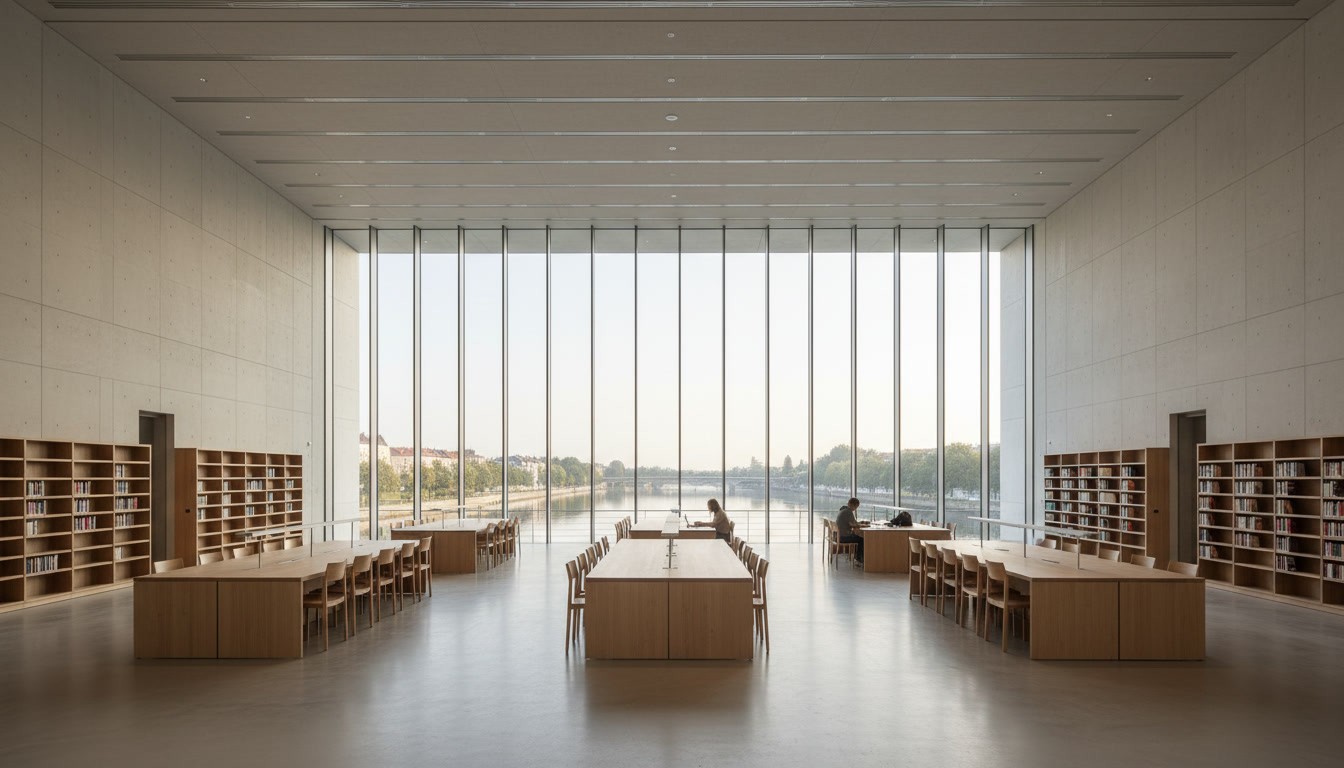
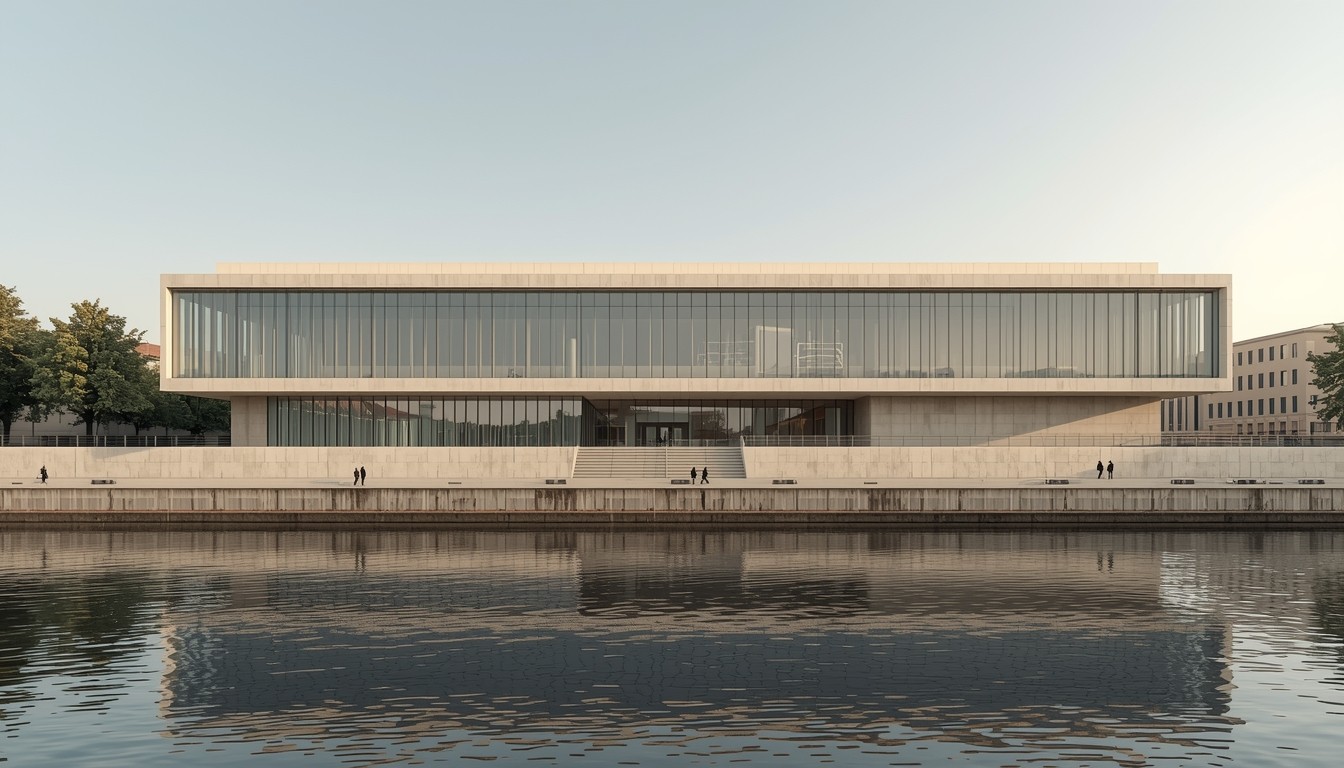
The Riverside Library is located along the Rhône River in Lyon, where it serves as a cultural and civic landmark. The building is conceived as an open and accessible public space that invites visitors to engage with knowledge, community, and the surrounding landscape. Its form responds directly to the river, creating a strong visual and spatial connection that extends the public realm. The project balances architectural clarity with openness, establishing a welcoming environment for a diverse range of users.
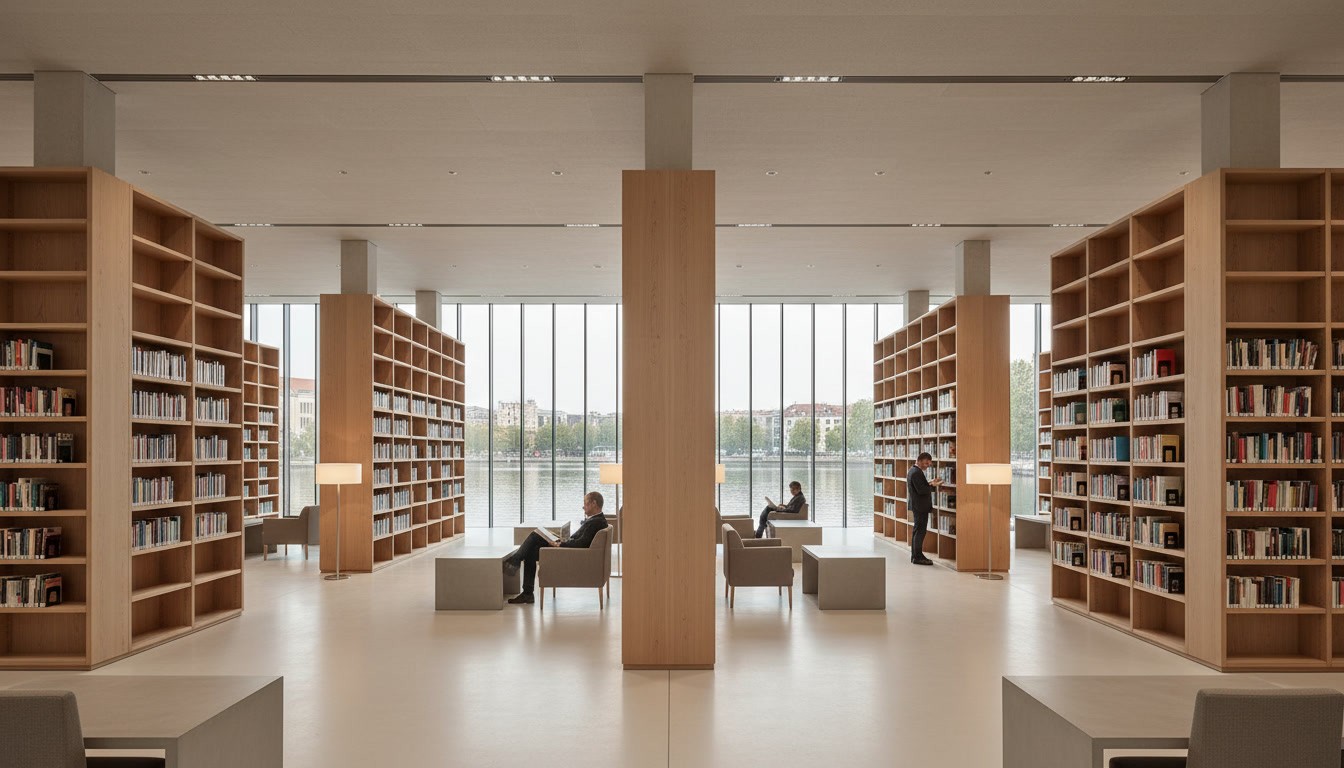
The concept is based on transparency and spatial layering, allowing different programmatic elements to coexist within a unified structure. Large glazed surfaces connect the interior with the riverfront, while a series of overlapping floor plates create varied reading environments. The design encourages exploration, offering both open communal areas and more intimate zones for focused study. The architecture supports flexibility while maintaining a clear organizational logic.
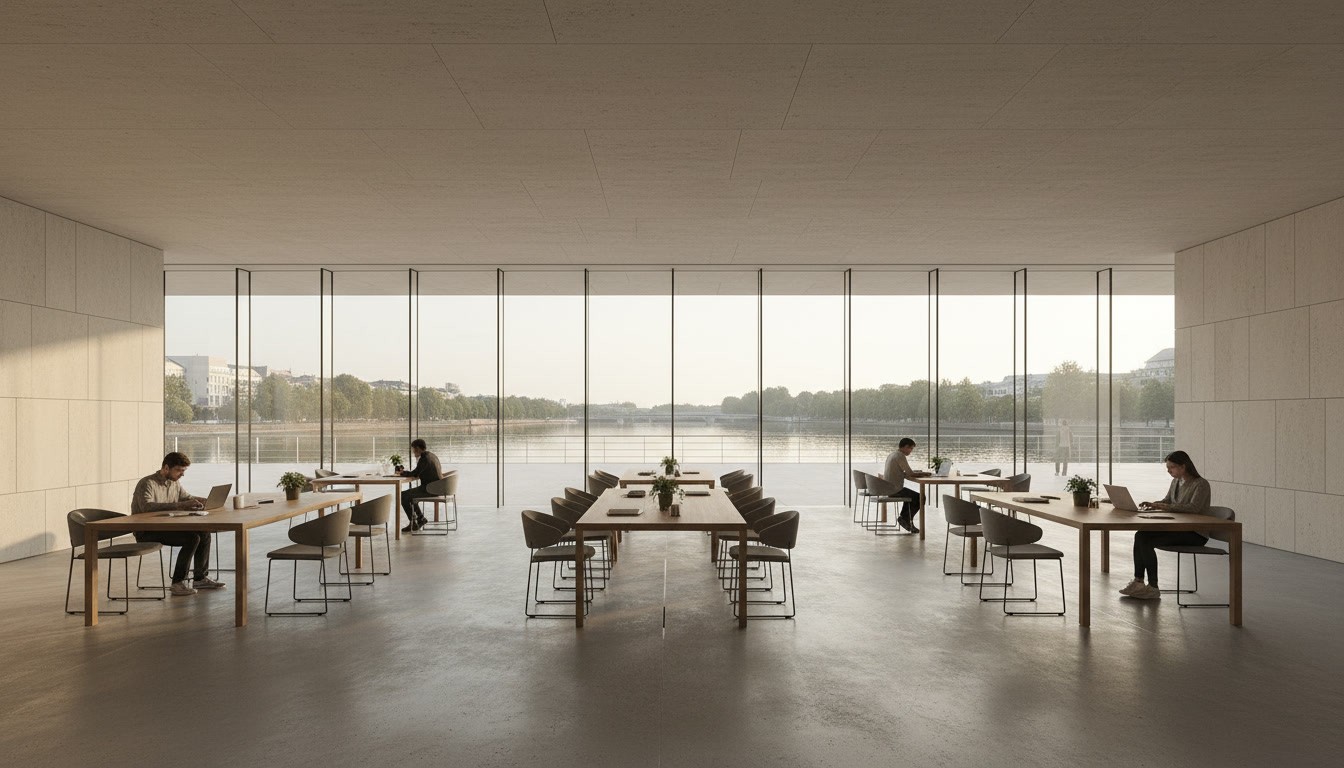
The interior is defined by a sequence of interconnected spaces that vary in scale and atmosphere. Open reading areas provide expansive views and natural light, while quieter zones are more enclosed and acoustically controlled. Vertical circulation becomes a central spatial element, visually linking different levels and enhancing orientation. The experience is shaped by movement, light, and the relationship to the river.
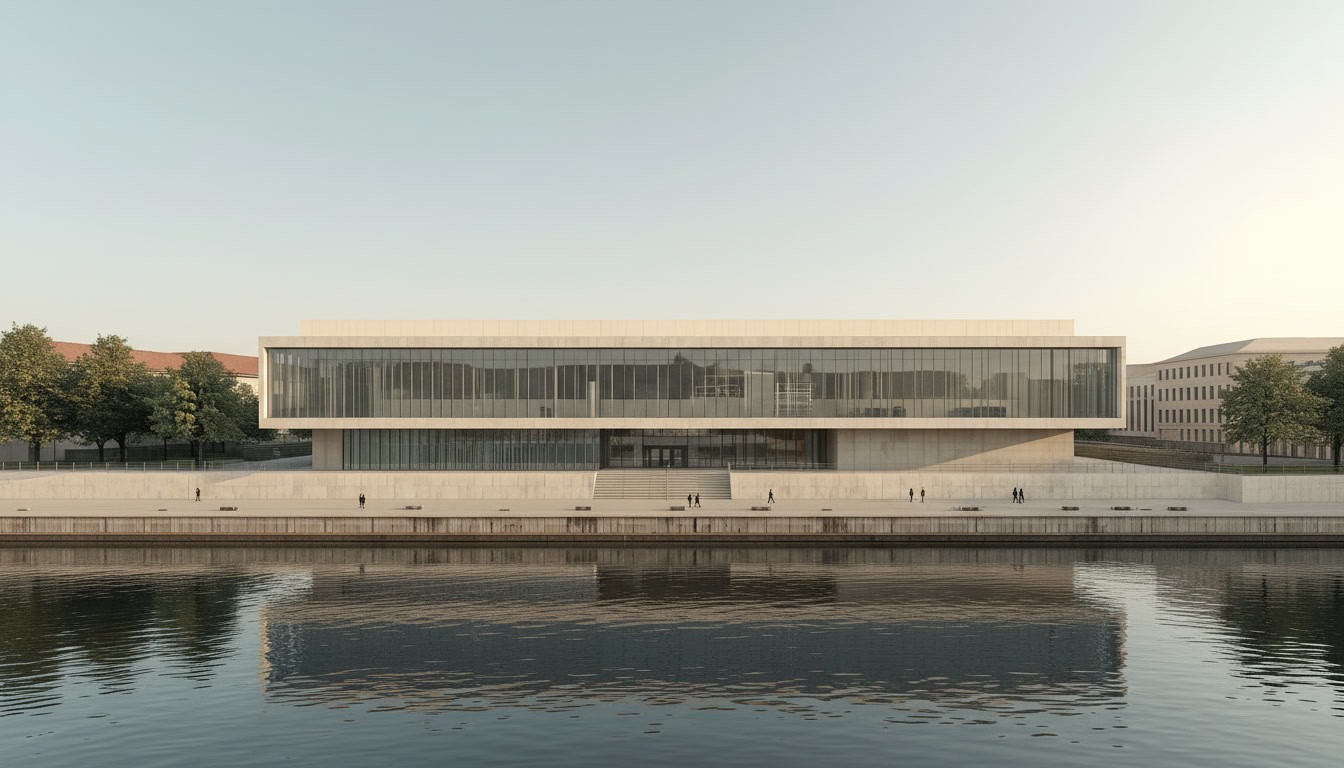
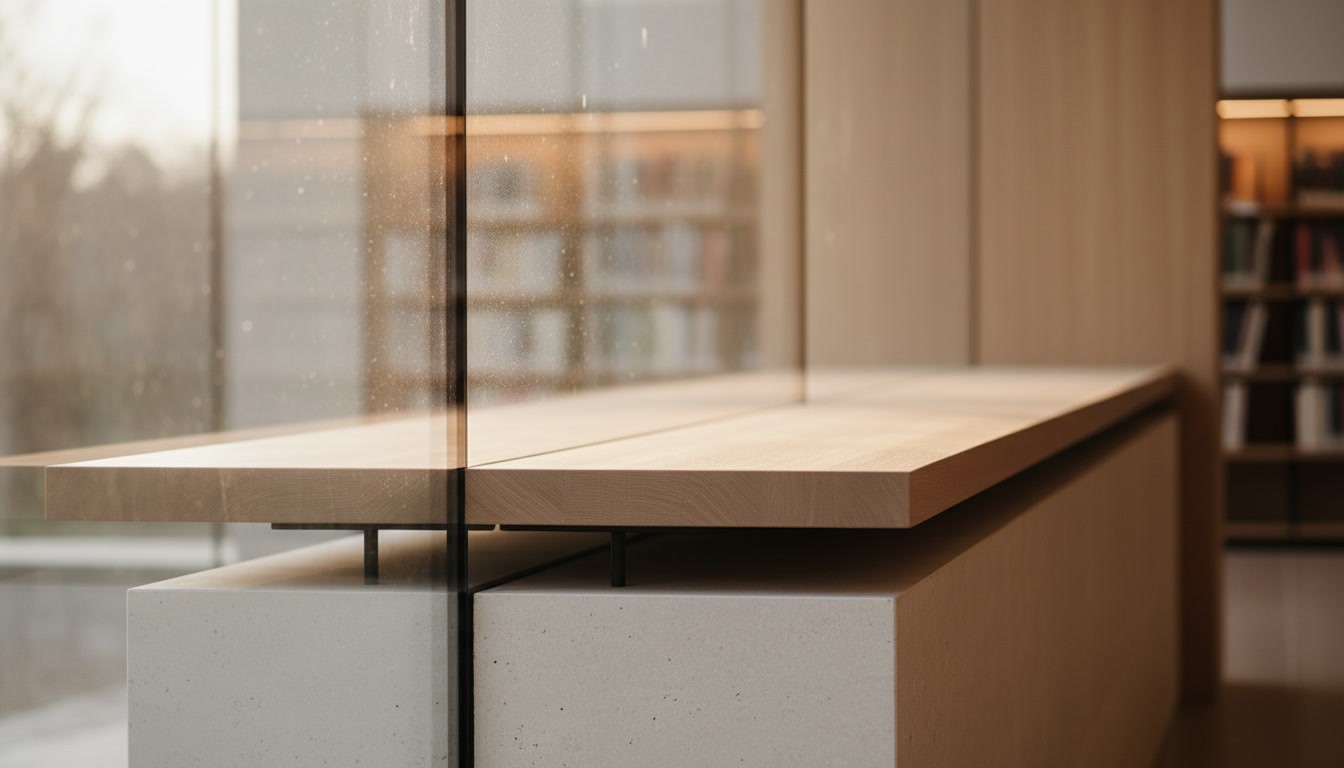
A combination of glass, steel, and light-toned wood defines the architectural language. Structural elements are expressed clearly, while interior finishes create a warm and inviting atmosphere. Acoustic treatments are integrated into walls and ceilings, ensuring comfort in shared spaces. Detailing emphasizes precision and clarity, supporting the building’s overall sense of openness.
The library integrates passive design strategies, including daylight optimization and natural ventilation. Its riverfront location enhances urban connectivity and public accessibility. Sustainable systems reduce energy consumption, while durable materials ensure longevity. The project contributes to the cultural and environmental quality of its context.
Explore more projects