Desert Retreat House
AlUla, Saudi Arabia
Private Residence
2024
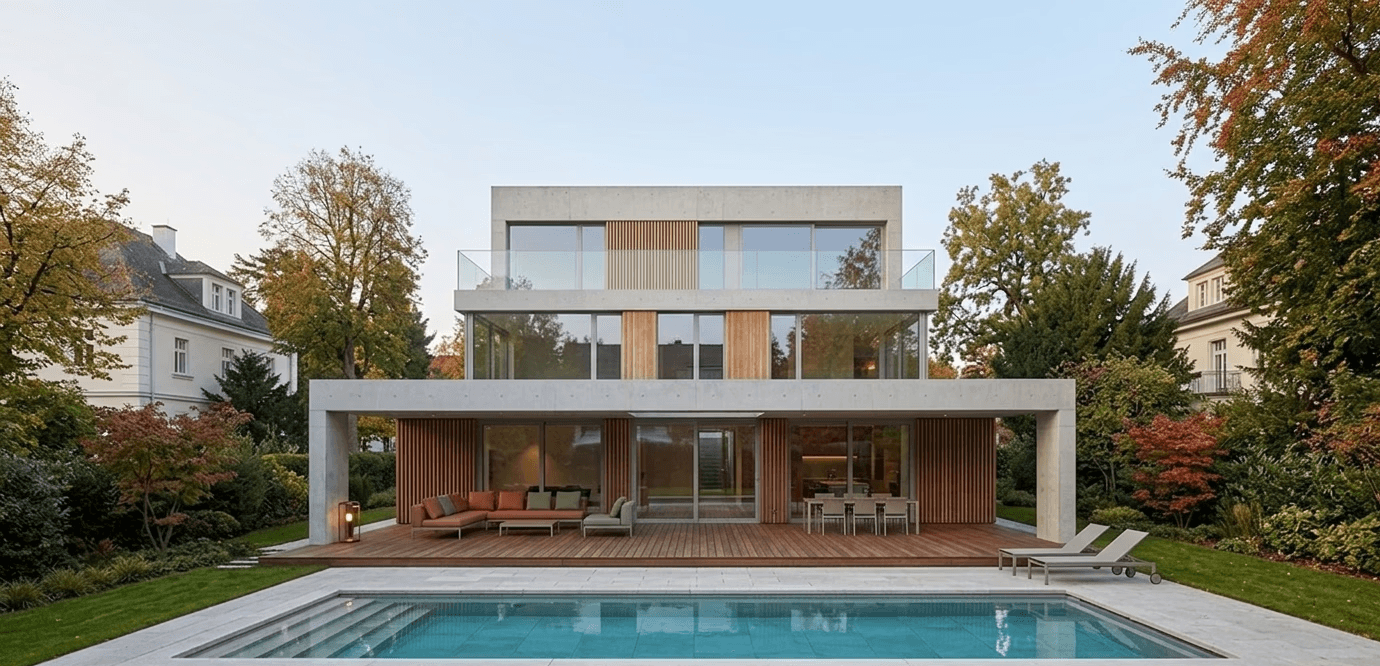
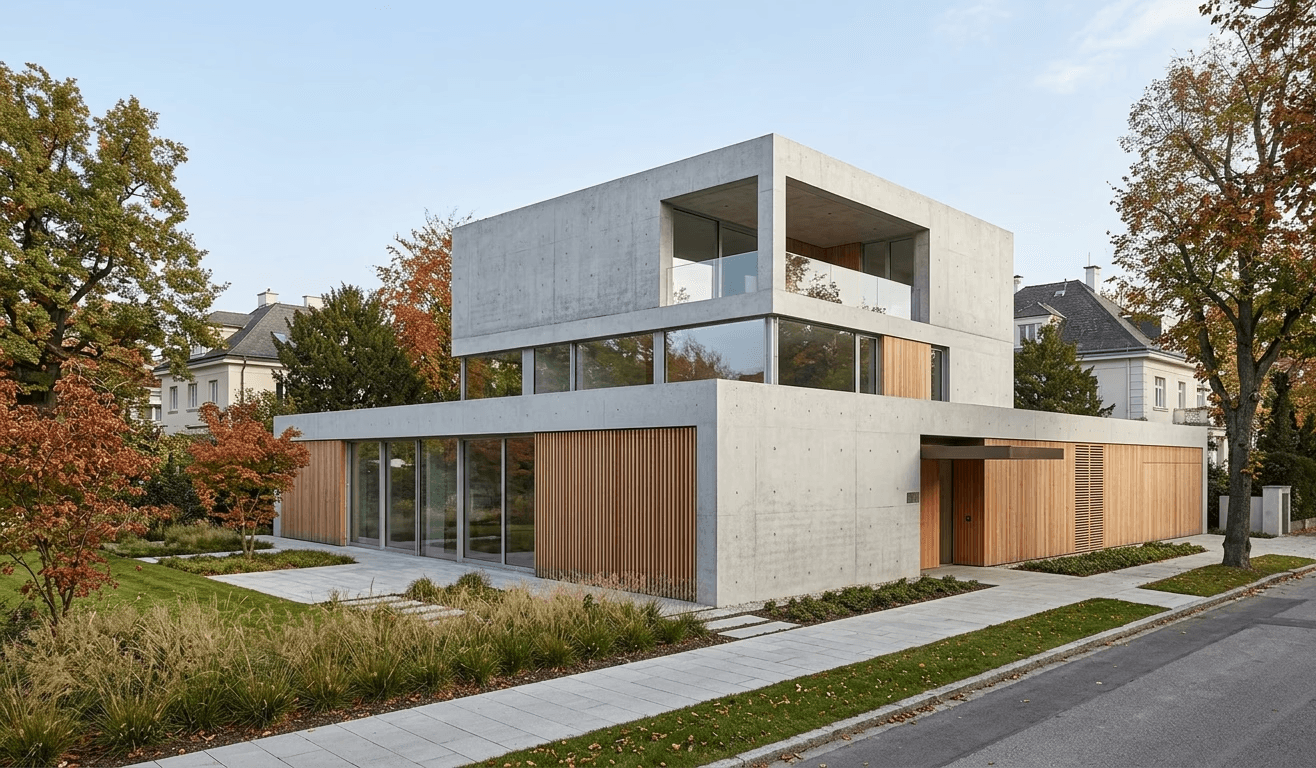
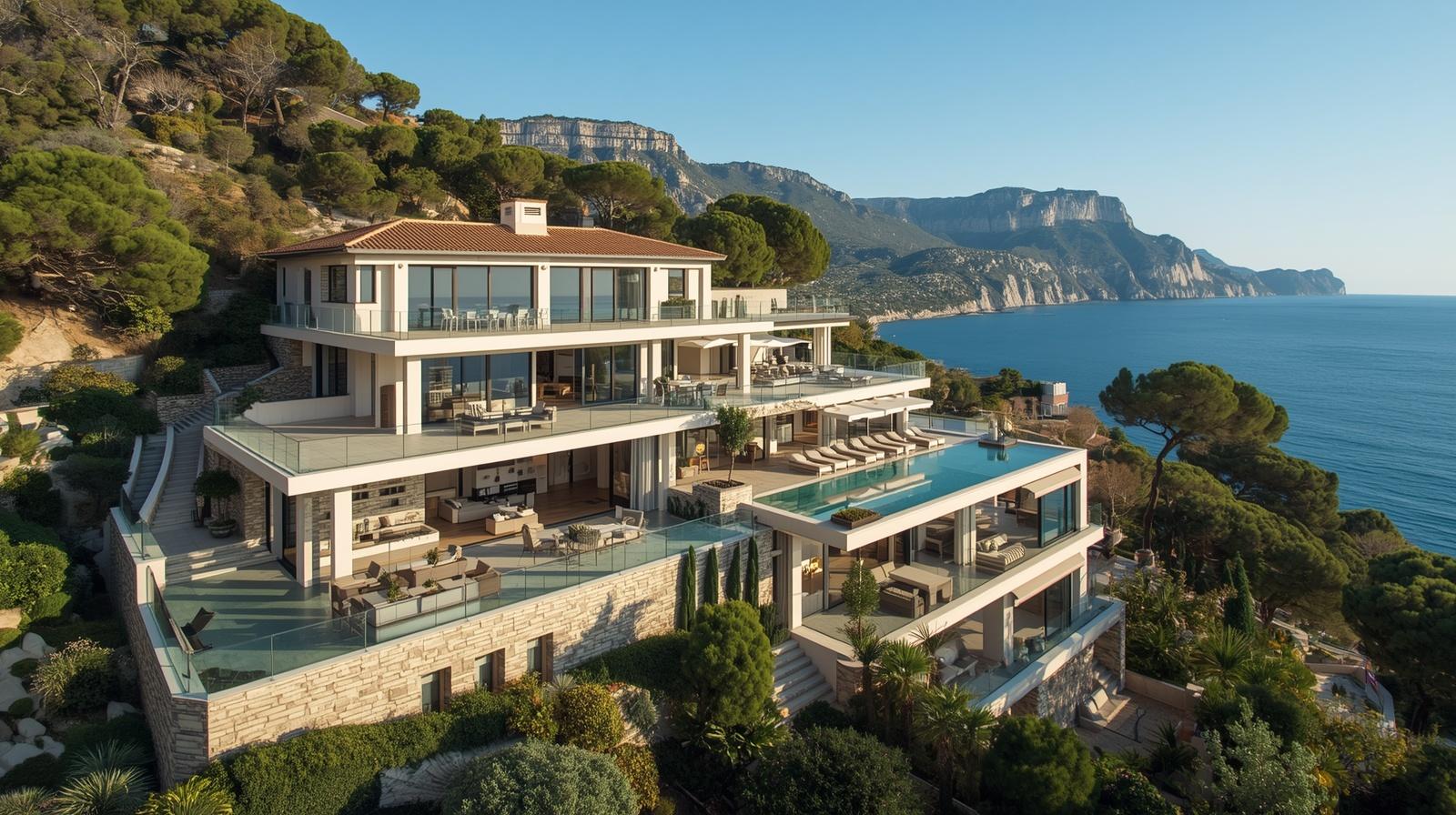
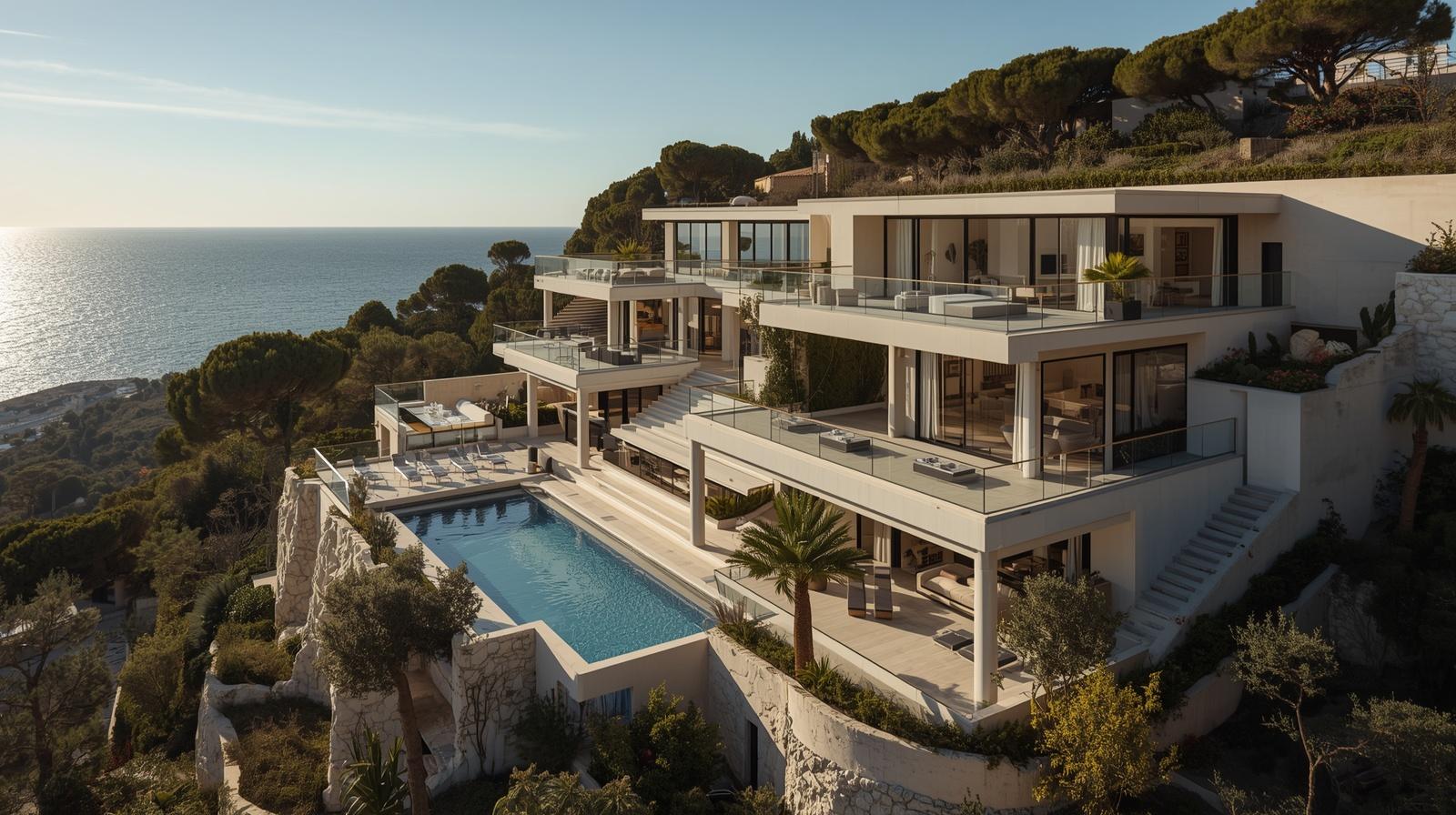
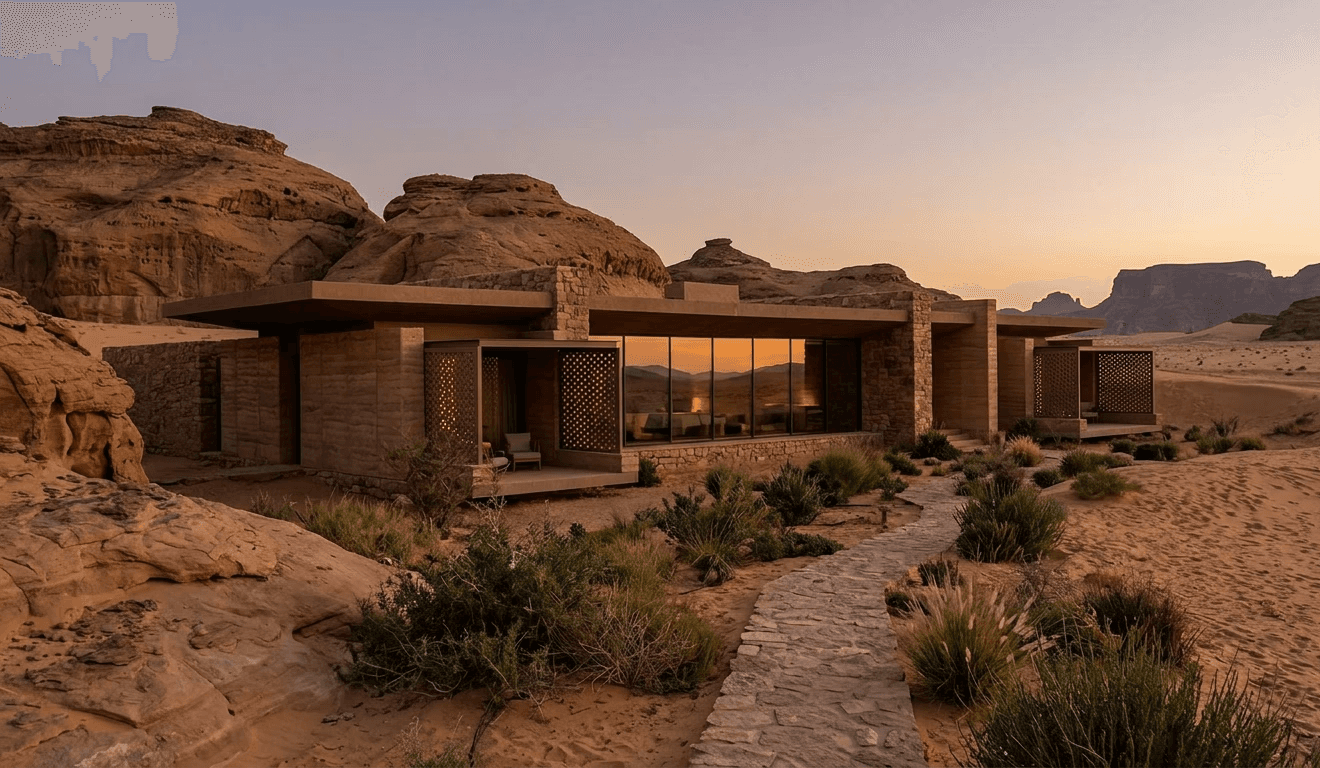
Desert Retreat House is set within the dramatic landscape of AlUla, characterized by vast sand formations and extreme climatic conditions. The project is conceived as a low, horizontal composition that blends into its surroundings rather than standing apart from them. By embedding itself within the terrain, the house offers protection from heat and wind while maintaining carefully framed views of the desert. The architecture is intentionally restrained, allowing the scale and presence of the natural environment to remain dominant.
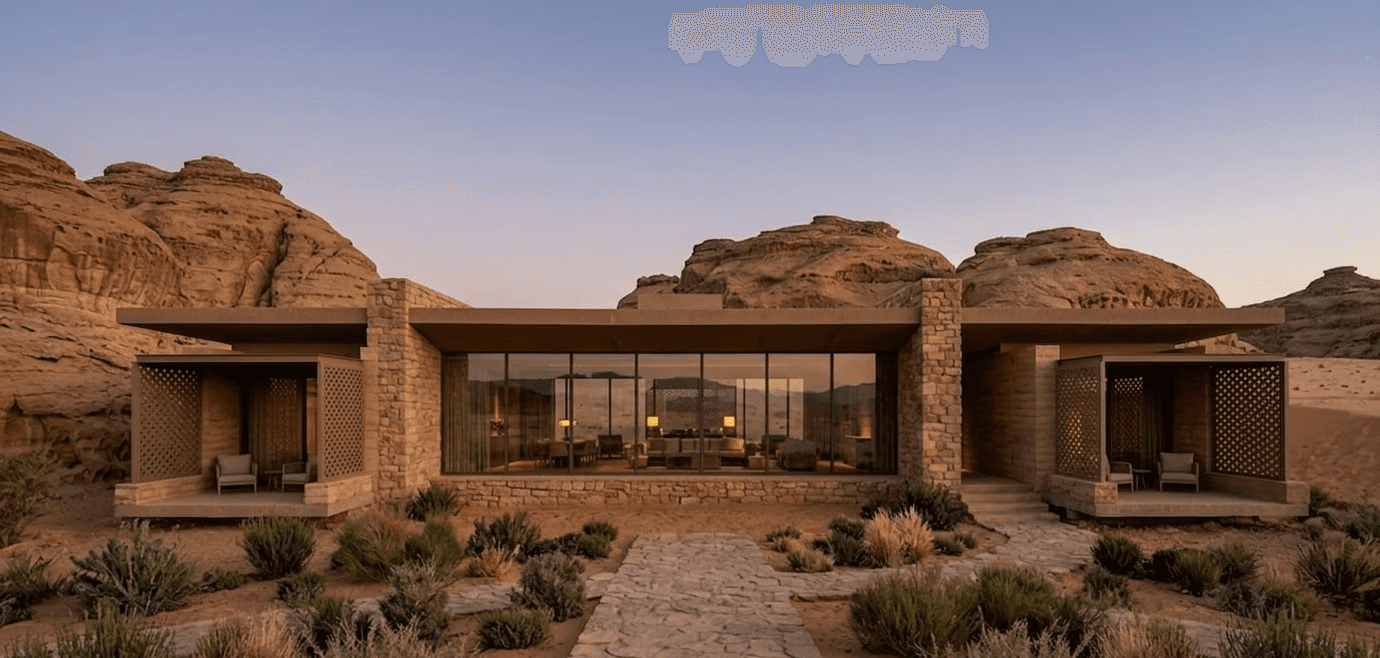
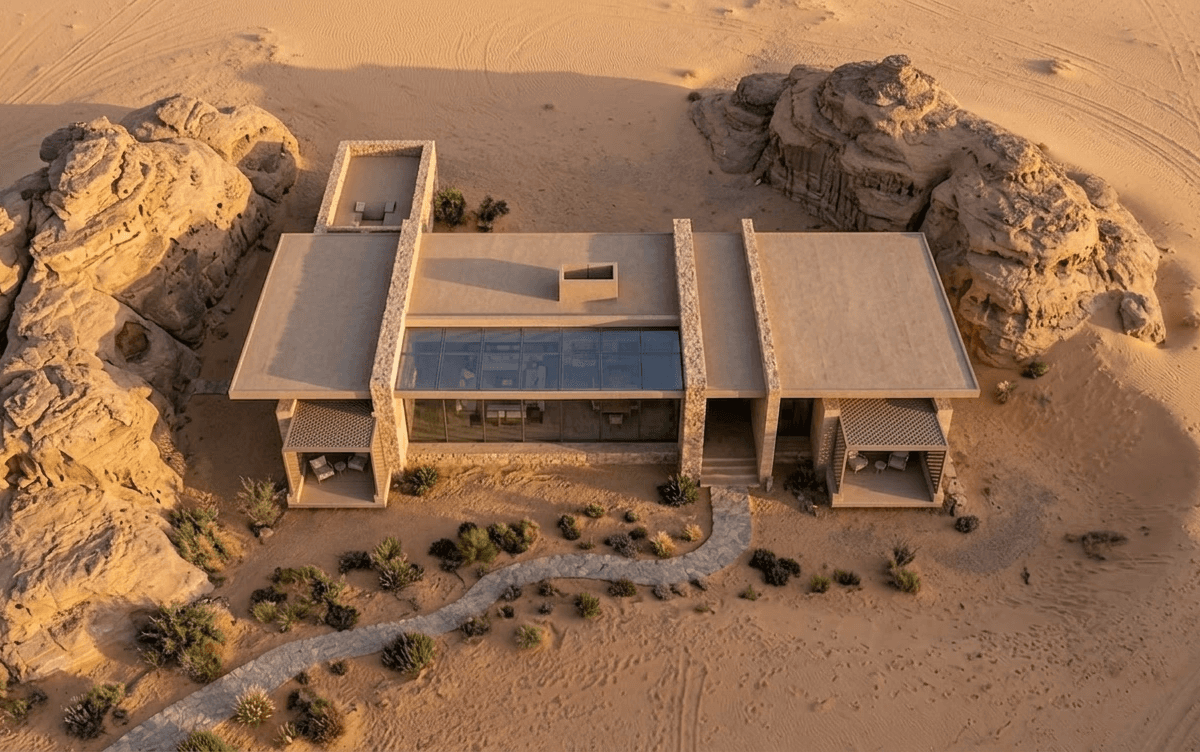
The concept is based on creating a sequence of protected environments within an otherwise harsh climate. Enclosed courtyards act as microclimatic buffers, bringing light and air into the interior while maintaining thermal comfort. Thick walls and shaded passages define the spatial structure, reducing exposure to direct sunlight. The architecture draws from traditional desert settlements, reinterpreted through a contemporary and minimal formal language.
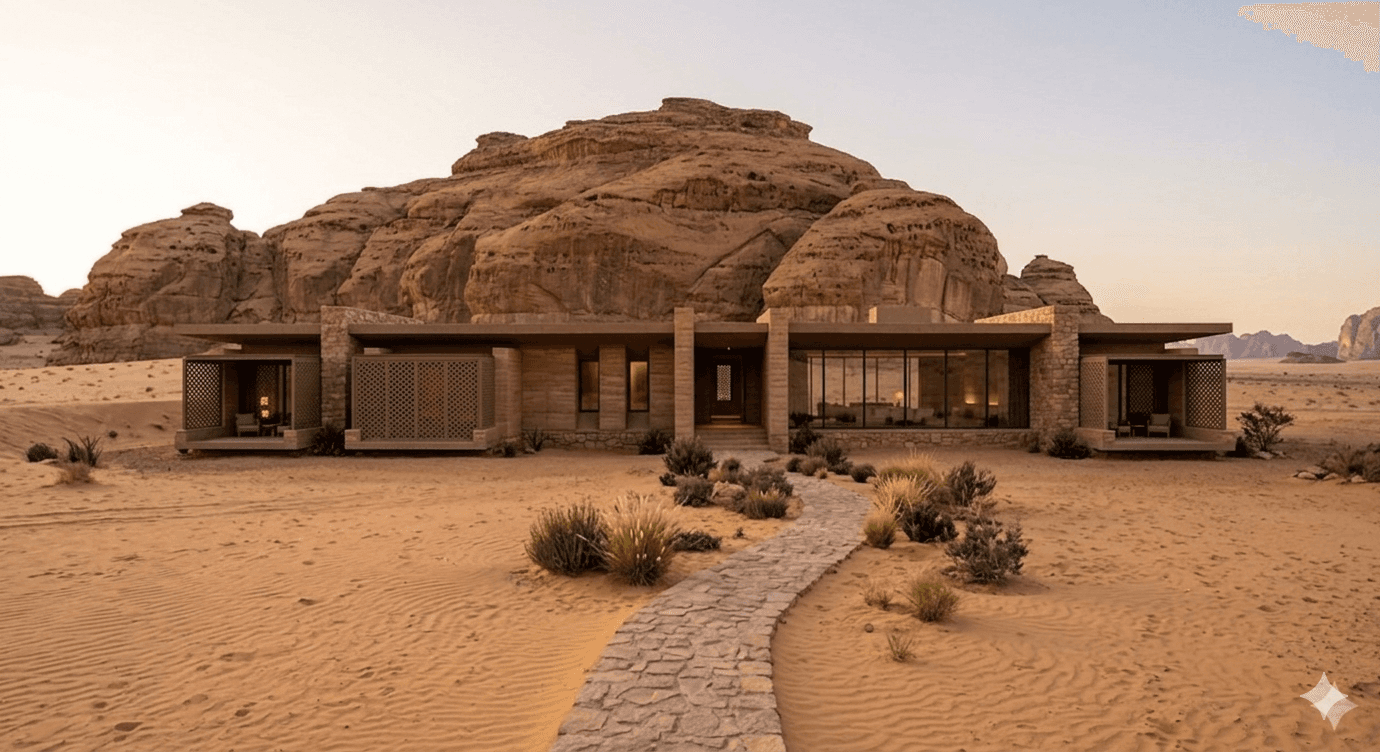
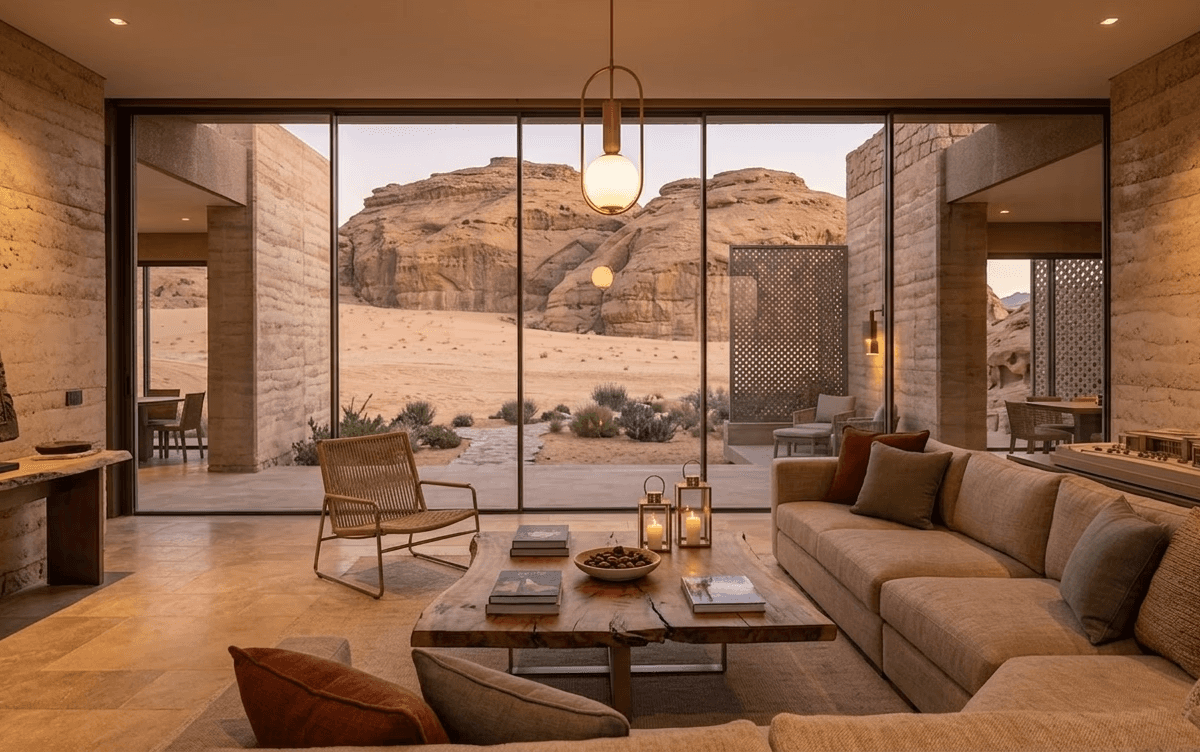
Spaces are organized around internal courtyards, which become the central reference points for orientation and movement. Circulation occurs through shaded corridors and transitional zones that mediate between interior and exterior. Interiors are calm and introspective, with filtered light enhancing the sense of refuge. In contrast, framed openings reveal expansive views of the surrounding landscape, creating a dialogue between enclosure and openness.
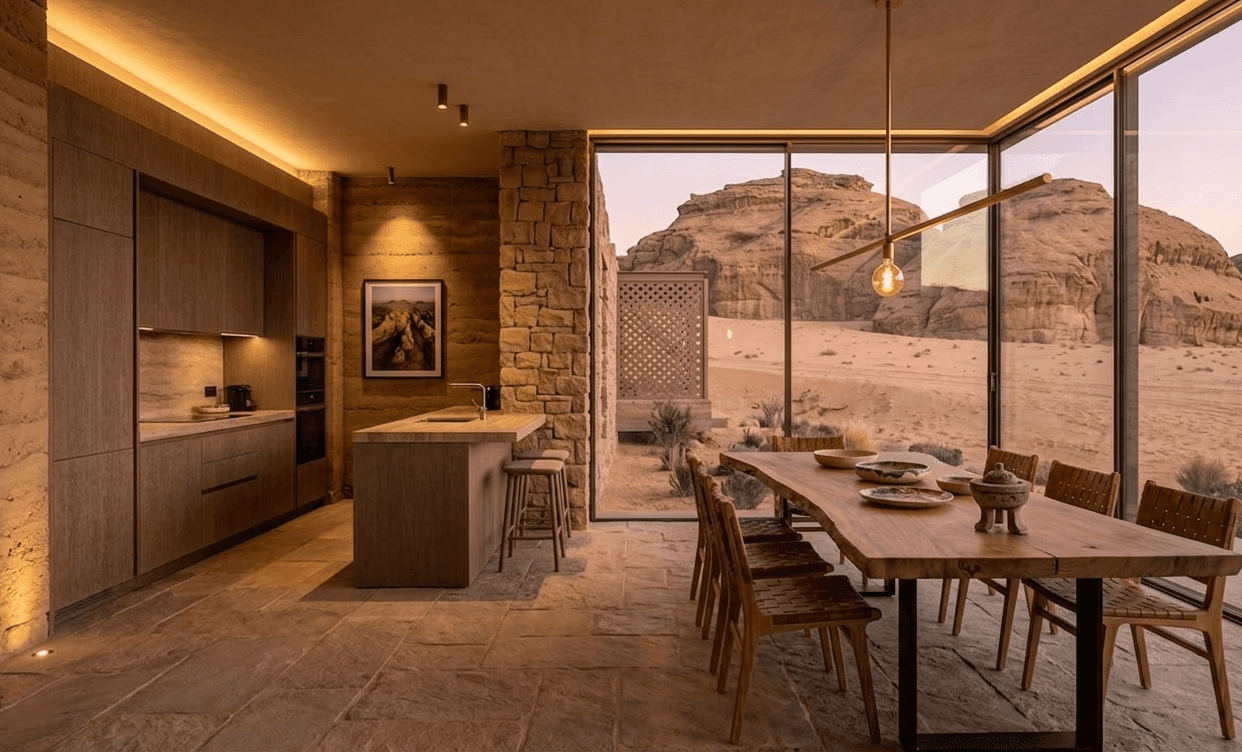
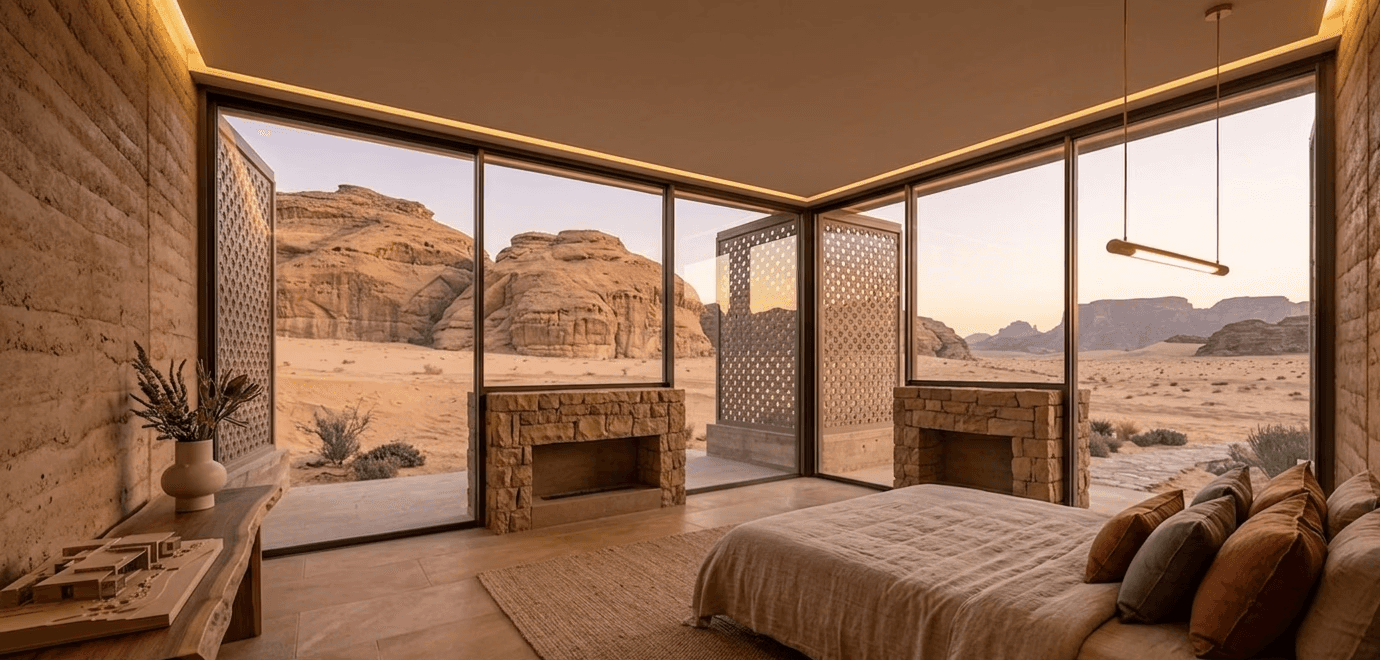
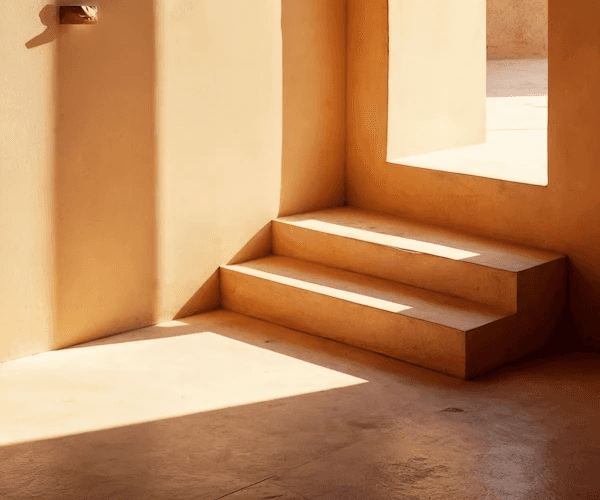
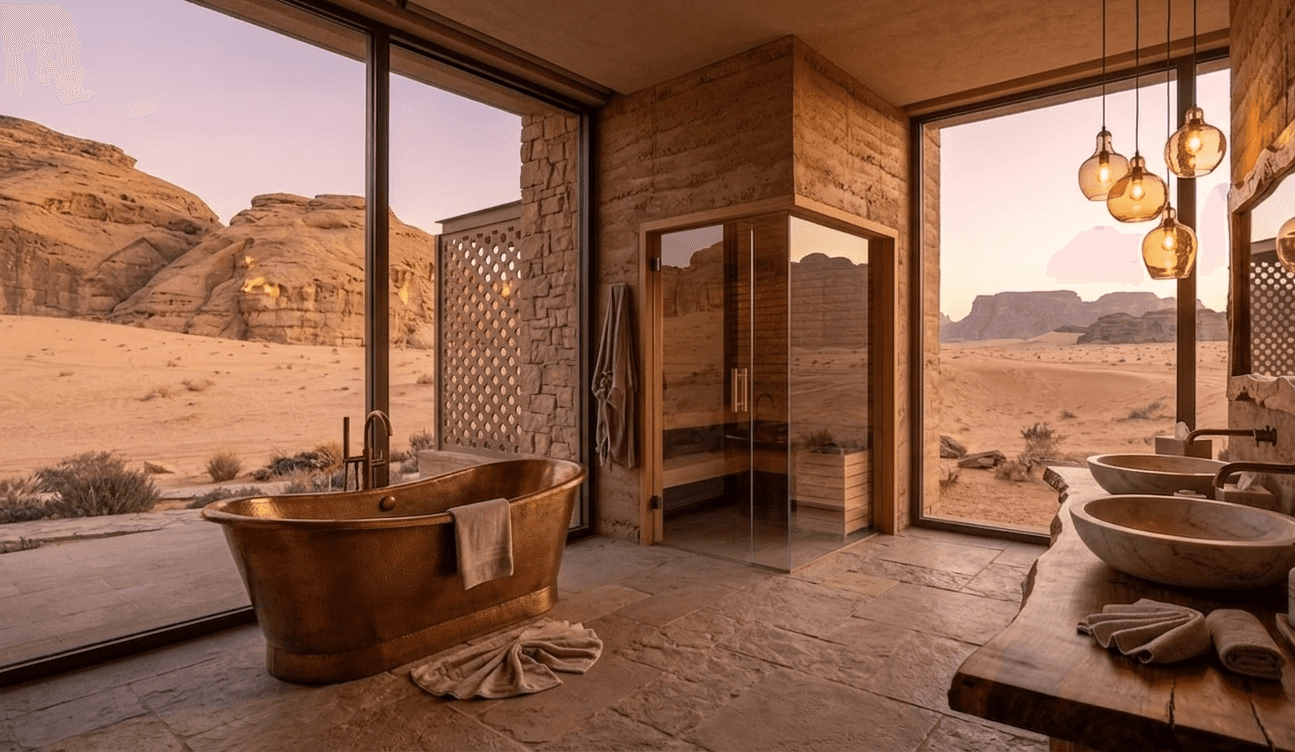
Materials are selected to reflect the color and texture of the surrounding terrain, including pigmented concrete and locally sourced stone. Surfaces are matte and tactile, reducing glare and reinforcing a sense of continuity with the landscape. Detailing is minimal and robust, prioritizing durability and climatic performance over decorative elements. The overall material expression is quiet and integrated.
Passive environmental strategies are central to the design, including thermal mass, natural ventilation, and solar shading. The building’s orientation minimizes heat gain while maximizing comfort. Local materials reduce transportation impact and support regional construction practices. The project is designed to exist in balance with its environment, minimizing resource use while enhancing long-term resilience.
Explore more projects